We address climate challenges where they are felt most directly in homes, on farms, and within communities. In many parts of Nepal, emissions are closely tied to everyday activities such as cooking, farming, and managing land. These same activities also shape health, livelihoods, and long-term resilience.
We work alongside rural households, farmers, and local communities to design climate solutions that fit within real lives and existing systems. From cleaner cooking technologies to agroforestry and circular solutions, our projects reduce emissions while improving health, strengthening livelihoods, and supporting sustainable, long-term adoption.
By combining on-the-ground implementation with measurement and verification, we ensure that every project delivers climate outcomes that are credible, transparent, and aligned with globally recognized standards.
Clean cooking solutions that reduce reliance on firewood and biomass, lower indoor air pollution, and deliver measurable climate benefits while improving health and household resilience.
Integrating trees into farms and rural landscapes to store carbon, improve soil health, protect water resources, and strengthen incomes for smallholder farmers.
Community-led waste management and recycling systems that divert waste from landfills, reduce methane emissions, and build resilient circular material economies.
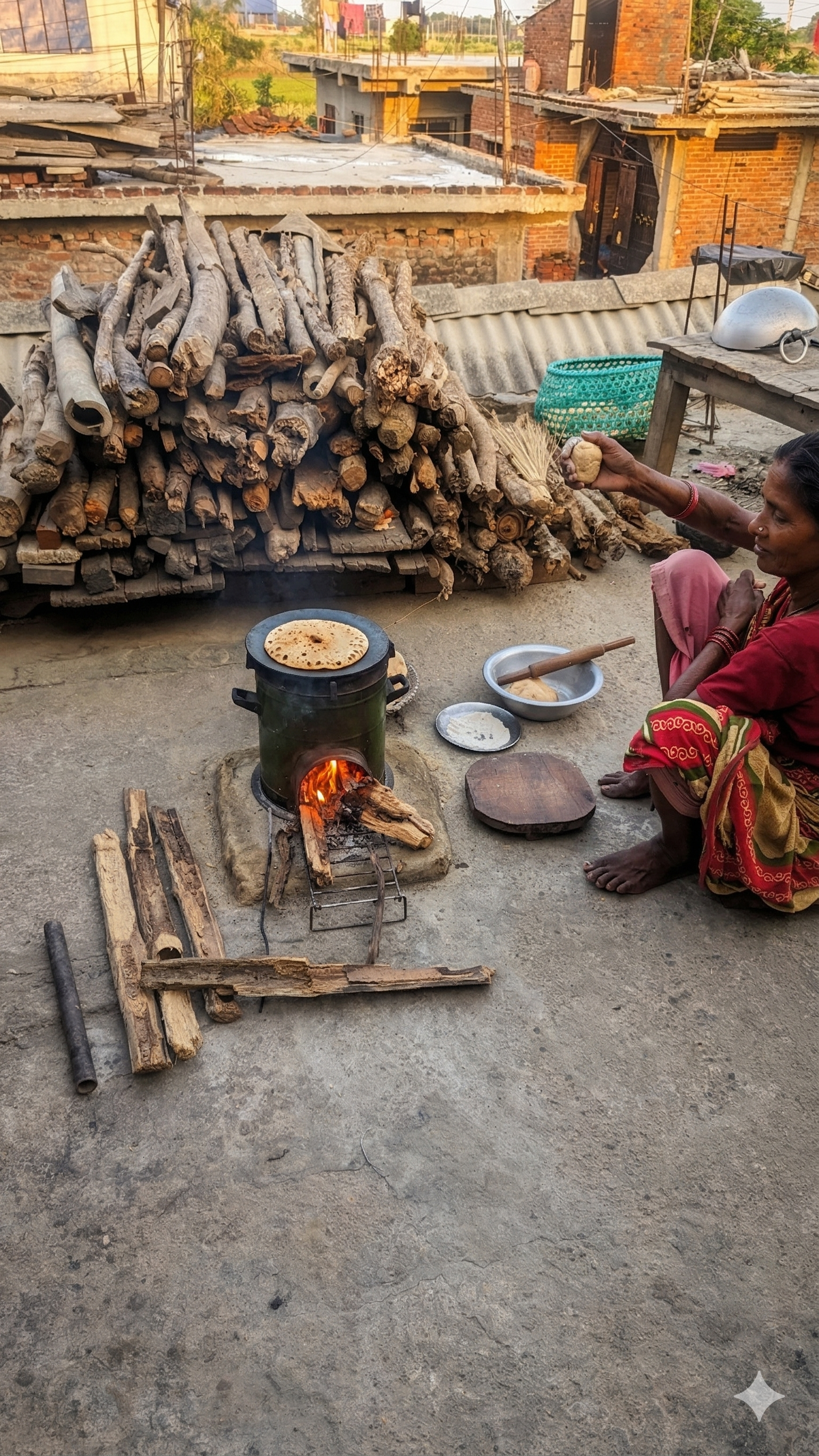
The Clean Cooking Project in Jitpur introduces improved cookstove solutions to households transitioning away from traditional biomass-based cooking. The project focuses on reducing smoke emissions, improving fuel efficiency, and enhancing everyday cooking conditions.
By replacing traditional stoves with cleaner alternatives, the initiative reduces indoor air pollution, lowers greenhouse gas emissions, and supports healthier, more sustainable household energy use.
The Biodigester Project introduces clean, renewable cooking solutions through biogas systems that convert organic and animal waste into fuel. Implemented across Lamjung, Kaski, and Sarlahi, the project targets households with access to consistent feedstock.
By replacing firewood and LPG, the initiative reduces greenhouse gas emissions, improves indoor air quality, and supports sustainable, circular energy use in rural Nepal
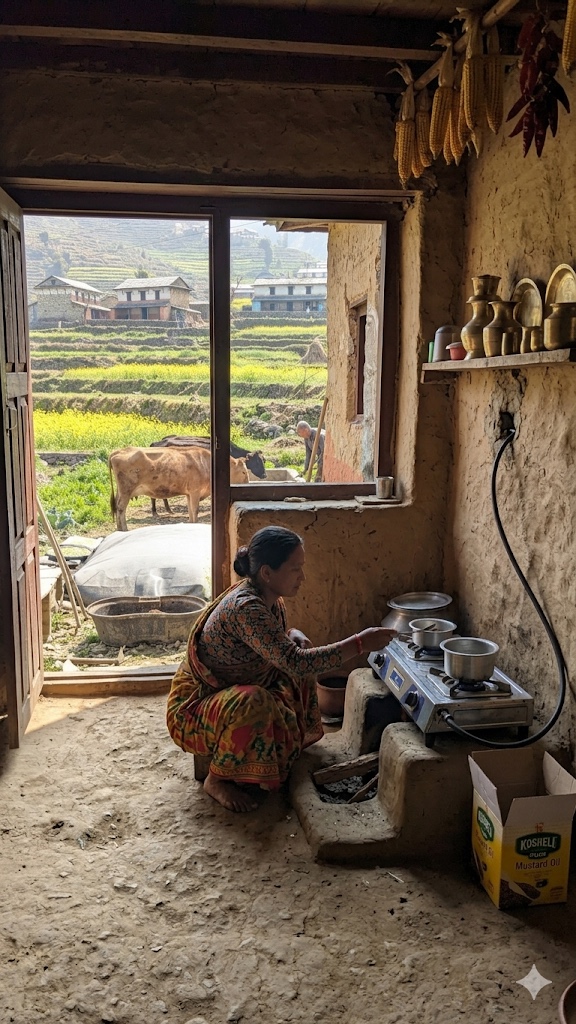
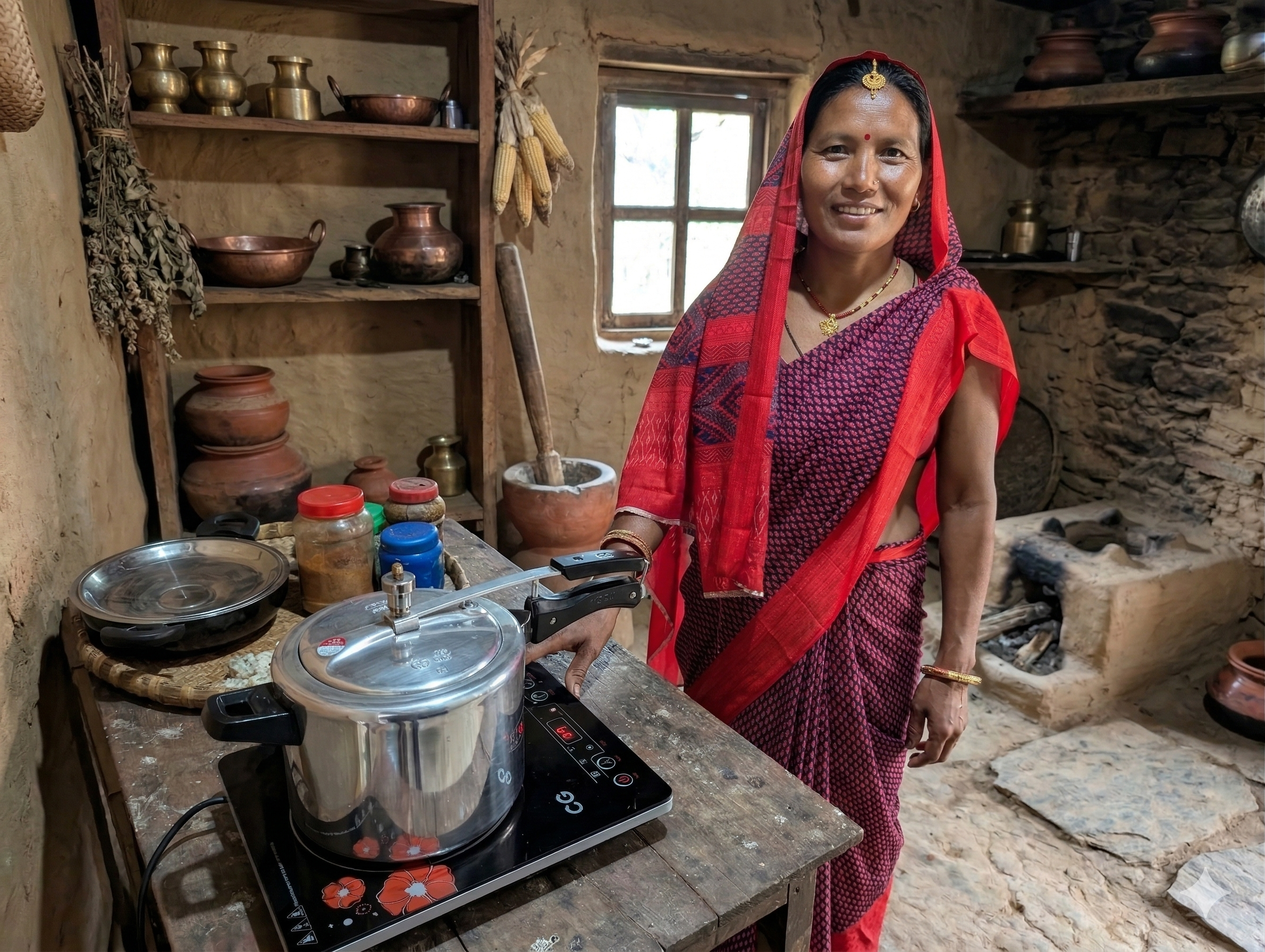
The Induction Cooking Pilot Initiative in Pokhara is an early-stage project designed to introduce clean, efficient electric cooking solutions to households currently reliant on traditional biomass and LPG-based systems. As a pilot, this project will test the feasibility, adoption patterns, and impact of induction cooking technologies in a semi-urban Nepali context.
The initiative aims to support Nepal’s broader transition toward clean energy while reducing greenhouse gas emissions, indoor air pollution, and dependence on imported fossil fuels.
Lorem ipsum dolor sit amet, consectetur adipiscing elit. Ut elit tellus, luctus nec ullamcorper mattis, pulvinar dapibus leo.
Carbon Trading
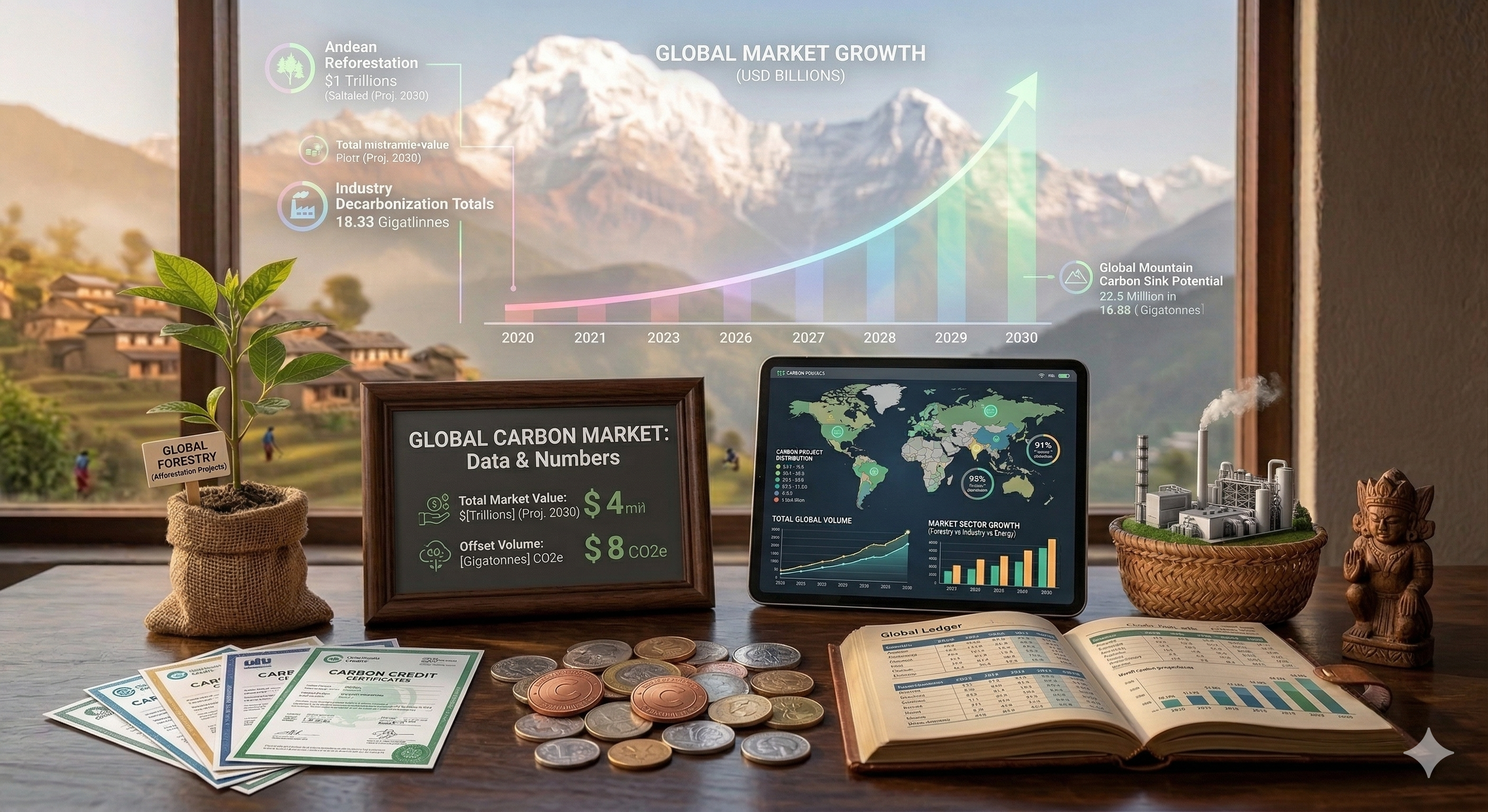
The numbers tell a story of accelerating momentum. As of early 2025,...
Clean Cooking
What This Blog Covers
Nepal's Carbon Trade Regulation 2082 defines a specific,...
Carbon Trading
What This Blog Covers
Nepal's Carbon Trade Regulation 2082 — endorsed in...