Recycle and removals
Diverting organic waste from landfills reduces methane emissions, one of the most potent greenhouse gases, helping address a growing source of climate impact in urban areas.
Recycling systems recover valuable materials and reintroduce them into productive use, reducing waste while supporting more efficient and sustainable resource use.

Better waste segregation, collection, and recycling infrastructure helps cities manage rising waste volumes while reducing land, water, and air pollution.
Community-centered recycling systems strengthen income opportunities for waste workers while improving working conditions, safety, and local economic resilience.
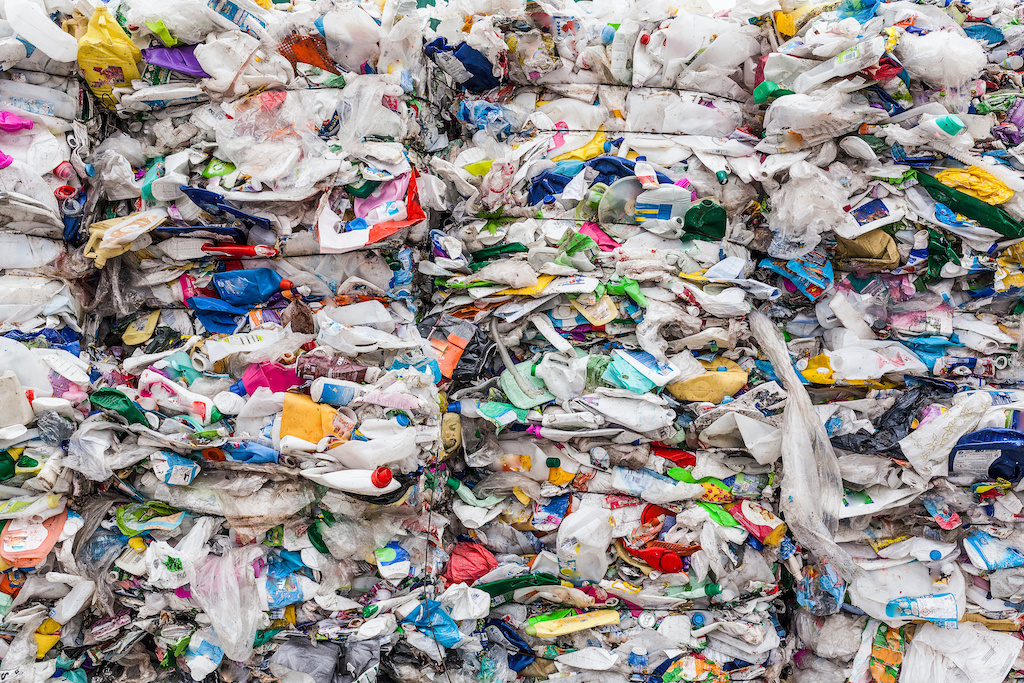
Assess local waste generation patterns, existing waste management systems, and material recovery practices to understand baseline conditions and opportunities for waste diversion.
Develop locally appropriate recycling and circular economy solutions, selecting systems for waste segregation, collection, and material recovery aligned with recognized climate and monitoring methodologies.
Work with municipalities, communities, and waste workers to implement improved waste segregation, recycling, and material recovery systems that divert waste from landfills.
Track waste diversion, material recovery rates, and methane emission reductions to ensure measurable environmental and climate benefits.
Strengthen circular material flows, reduce methane emissions from waste, improve urban environmental quality, and support resilient livelihoods within local recycling systems.