Clean Cooking
Reduces exposure to harmful household air pollution by replacing traditional open fires with cleaner cooking technologies. This significantly lowers smoke and particulate emissions, improving respiratory health for families—especially women and children who spend the most time near cooking areas.
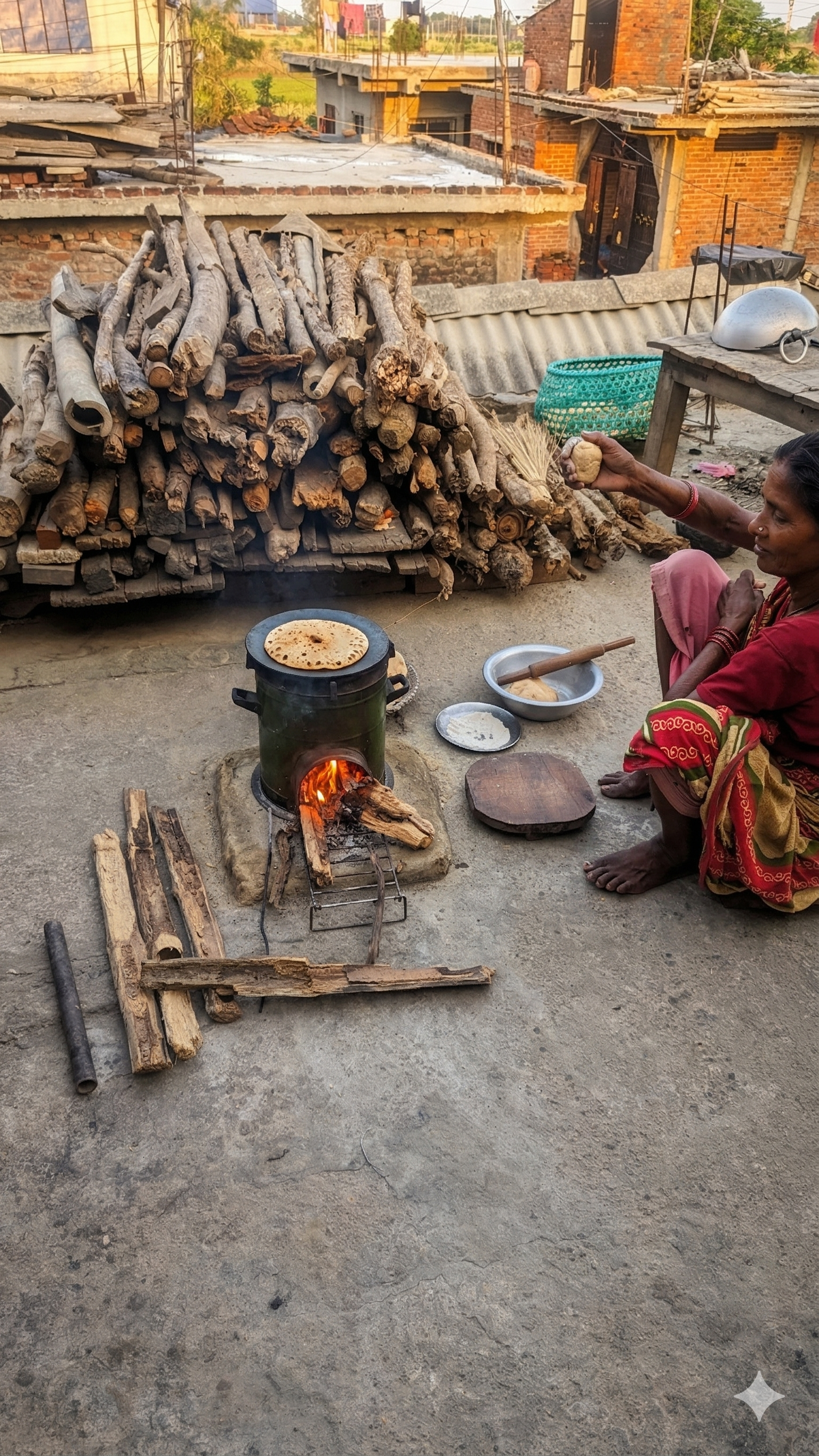
Improved cooking technologies use significantly less firewood to prepare the same meals, reducing fuel consumption while delivering measurable reductions in greenhouse gases and short-lived climate pollutants such as black carbon.
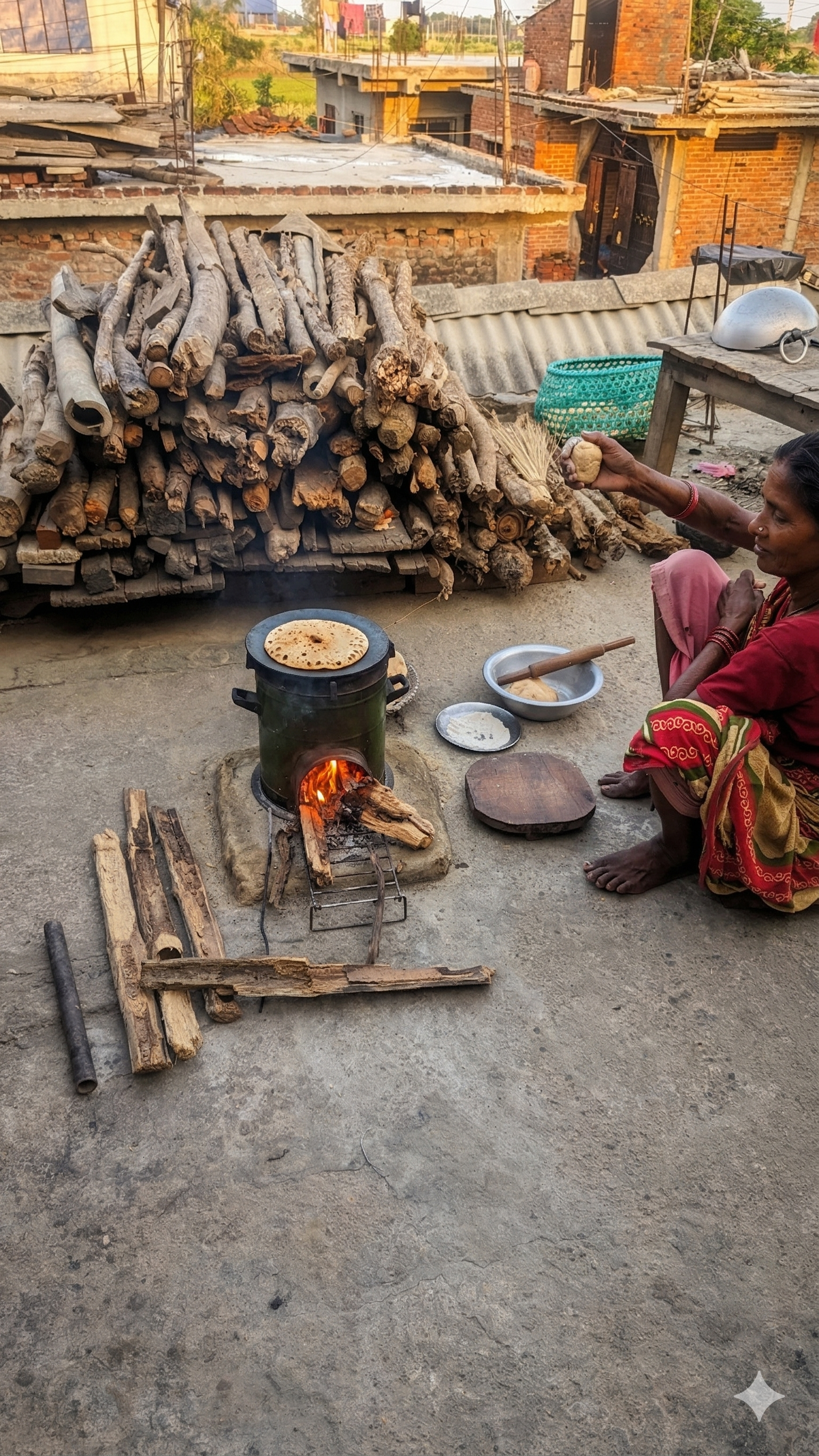
Supports the transition away from inefficient firewood use by introducing cleaner cooking technologies that reduce pressure on forests and lower greenhouse gas emissions associated with unsustainable biomass consumption.
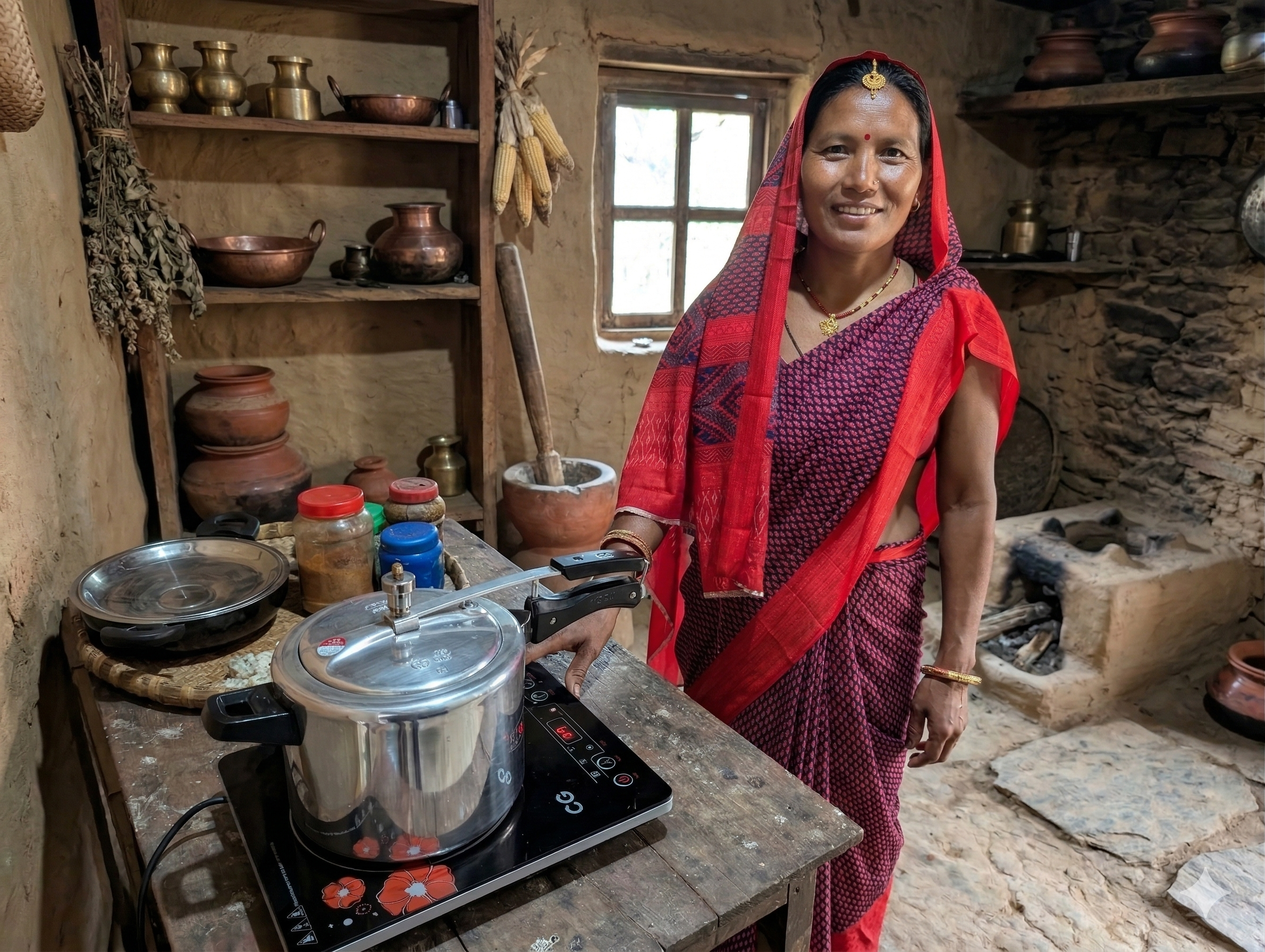
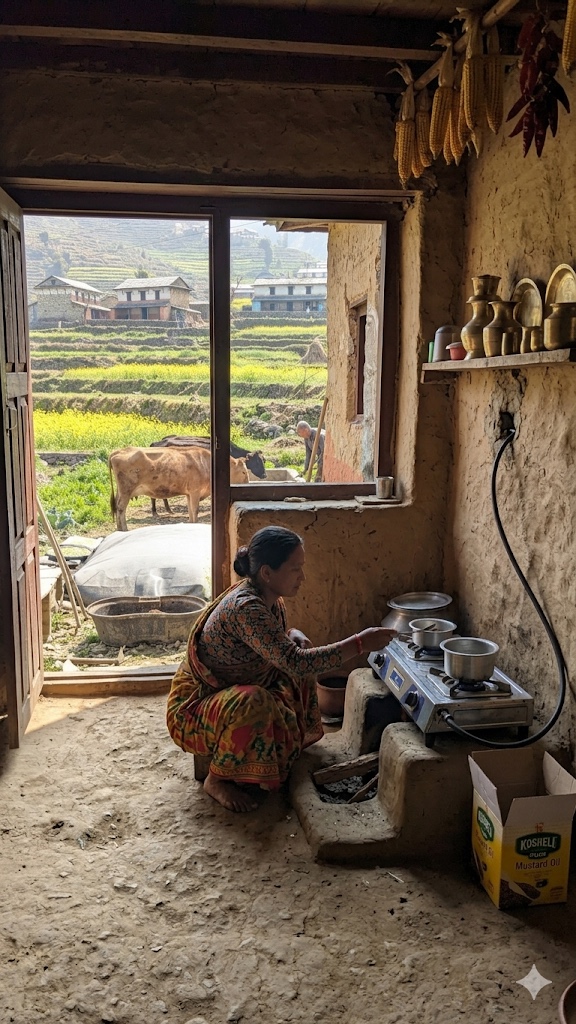
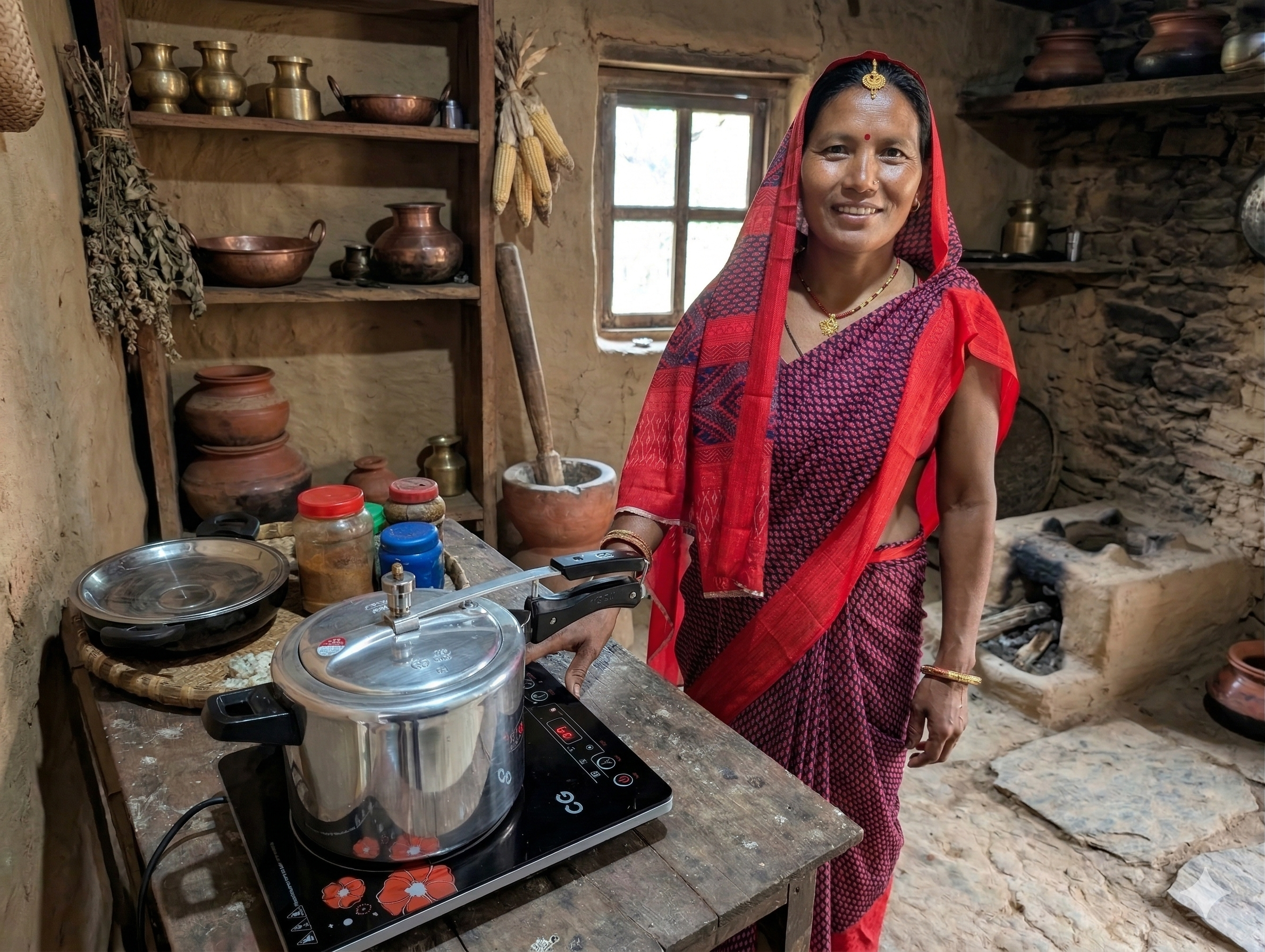
Introduces affordable and practical clean cooking technologies that align household energy use with broader clean energy and climate goals, enabling communities to adopt safer, more sustainable cooking solutions.
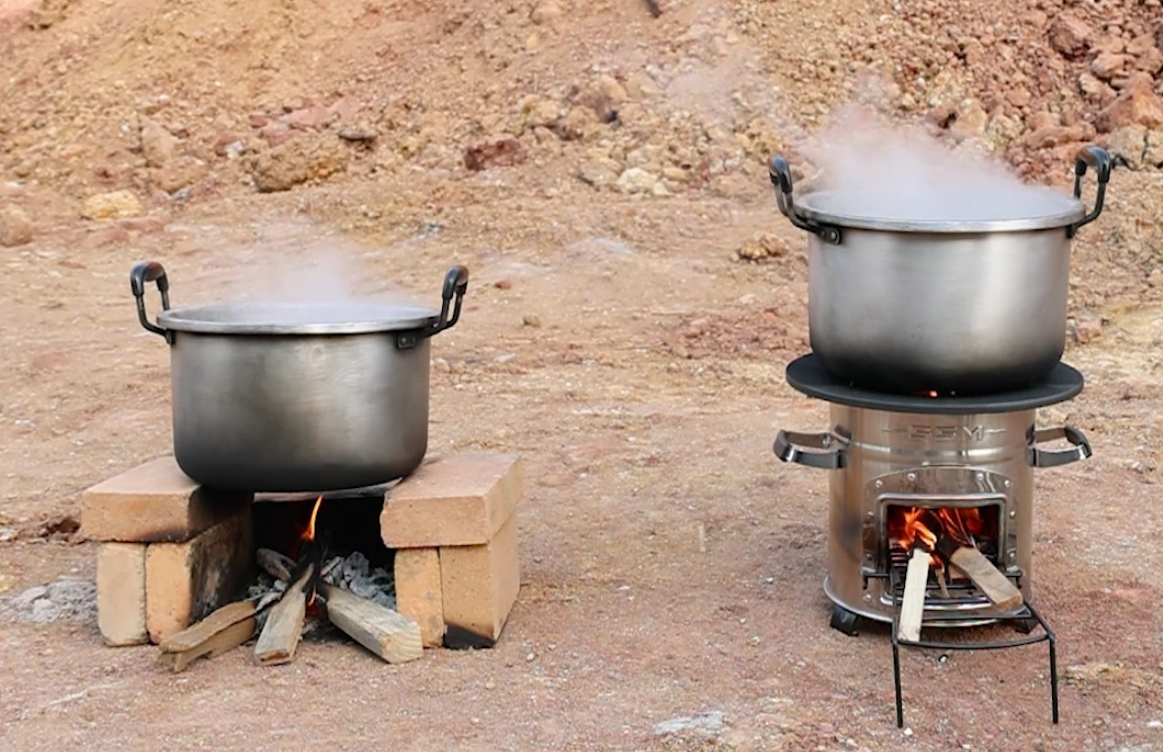
Assess household cooking practices, fuel use, and local energy access conditions to identify the most appropriate clean cooking solutions.
Select suitable technologies, such as, improved cookstoves, induction cooking, or biogas systems. Apply globally aligned methodologies to ensure measurable environmental and social impact.
Deploy clean cooking technologies through community engagement, distribution programs, and user training to support safe and sustained adoption.
Track stove usage, fuel consumption, and emissions reductions to ensure projects deliver verified climate, health, and environmental benefits.
Improve household health, reduce pressure on forests, lower greenhouse gas emissions, and strengthen energy security for rural communities.