Naxal, Kathmandu
Project Overview

Biodigester Project

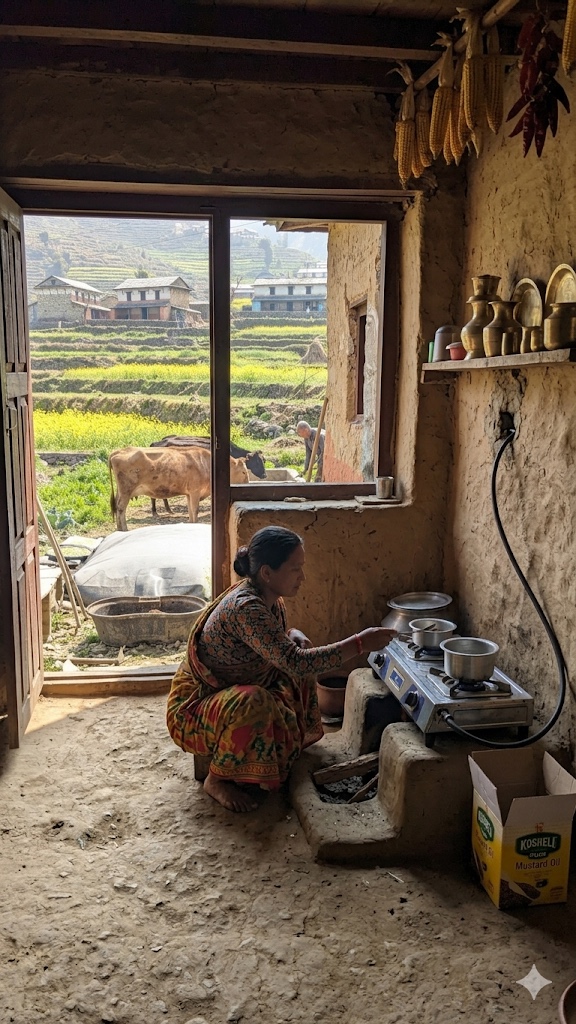
The Biodigester Project introduces clean, renewable cooking solutions through biogas systems that convert organic and animal waste into fuel. Implemented across Lamjung, Kaski, and Sarlahi, the project targets households with access to consistent feedstock.

By replacing firewood and LPG, the initiative reduces greenhouse gas emissions, improves indoor air quality, and supports sustainable, circular energy use in rural Nepal

Quick Stats

Status: Ongoing
Type: Clean Cooking
CO₂ Impact: To be assessed (pilot phase)

Key Highlights

  • Converts organic and animal waste into clean cooking fuel
  • Captures methane emissions and reduces greenhouse gases
  • Reduces reliance on firewood and pressure on forests
  • Produces nutrient-rich slurry for use as organic fertilizer
  • Supports rural households with sustainable, circular energy solutions
Implementation

How the Project works

The project is being implemented across selected households and communities in Lamjung, Kaski, and Sarlahi, targeting areas with sufficient livestock and organic waste resources.
  • Installation of household and community-scale biodigesters
  • User training on operation, maintenance, and safe handling
  • Ongoing technical support to ensure system functionality
  • Monitoring of usage patterns and biogas production
  • Collection of user feedback to improve long-term performance
How the Project works
Impact

Measuring & Verifying Impact

The project is designed to deliver both environmental and social benefits:
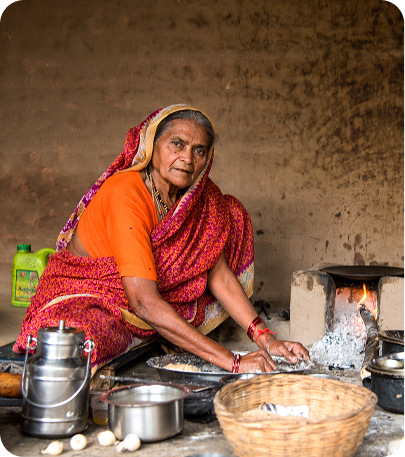
  • Reduced indoor air pollution and improved health outcomes
  • Decreased reliance on firewood and reduced pressure on forests
  • Lower greenhouse gas emissions through methane capture and fuel switching
  • Production of organic fertilizer to support agricultural productivity
  • Time savings for households, particularly women, from reduced fuel collection
Measuring & Verifying Impact